

Painting vs. Staining Wood Signs: Which Finish Lasts Longer Outdoors?
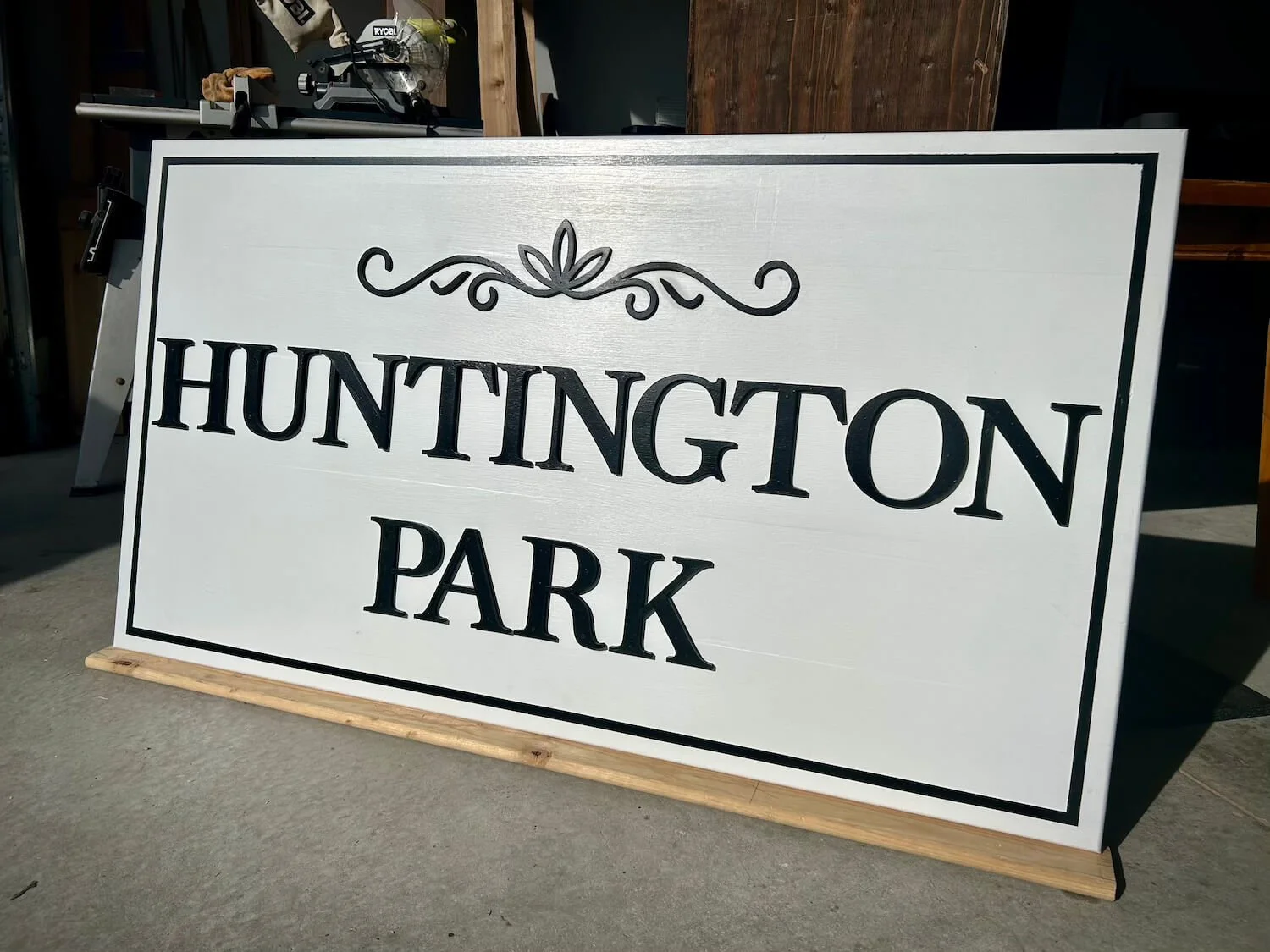
White Oak with acrylic latex paint. 54”x30”
Let’s be real for a second. You didn’t spend hours picking out that perfect piece of cedar or carefully routing those letters just to watch your hard work turn into a sad, gray, peeling mess six months from now, right?
Whether you’re branding your farmhouse, welcoming guests at the cabin gate, or hanging a sign for your small business, Mother Nature plays for keeps. We’re talking relentless UV rays, surprise rainstorms, and that humidity that makes everything swell.
So, when it comes to outdoor wood sign protection, do you grab a can of stain or a bucket of paint?
This isn’t just about aesthetics; it’s a strategic decision. Do you want a finish that breathes with the wood but fades gracefully, or one that builds an impenetrable fortress but risks peeling down the line? Let’s dig into the painting vs staining wood debate to find out which one actually lasts longer when the forecast calls for trouble.
Painting vs. Staining Wood: What’s the Real Difference?
Before we pit them against each other in a cage match, we need to understand how they actually work. The main difference isn't just the color—it's the chemistry.
Think of stain like a sunscreen that soaks into your skin. It penetrates the wood fibers, offering protection from within. It allows the wood to breathe, which is great for moisture management, but it doesn't hide the grain (or the imperfections).
Paint is more like a raincoat. It sits on top of the wood, creating a solid, opaque barrier between the elements and your sign. It hides knots, covers up filler, and gives you that crisp, uniform look .
This distinction is critical. One soaks in; the other sits on top. And how they react to sun and rain dictates everything about their lifespan.
How Oil-Based Stains Perform on Outdoor Wood Signs
If you love the feel of raw lumber—the whorls, the knots, the texture—stain is your best friend. Oil based stain outdoor durability is generally very good, specifically because it penetrates deeply.
Instead of sitting on the surface where the sun can bake it into brittle flakes, oil stain seeps into the pores. For species like Cedar or Teak, this is the gold standard. However, the trade-off is UV resistance.
While paint blocks UV rays, stain absorbs them. Over time, the UV breaks down the binder (the glue holding the pigment to the wood). When asking how long does wood stain last outside, the answer is usually 1 to 3 years for semi-transparent stains in full sun, and maybe up to 5 years for solid stains .
The failure mode here is fading, not peeling. Eventually, your vibrant mahogany sign will turn a weathered silver or gray. It won't look "ruined" immediately, but it will lose its protective qualities.

White Oak with walnut and sedona stain. 35”x24”
How Exterior Paint Protects Wood Signs
Now, let’s talk about the heavy hitter. If you want your sign to look the same (color-wise) five years from now as it does today, acrylic latex paint outdoor durability is the winner.
Modern exterior acrylic latex paints are formulated to flex. They expand and contract with the wood as temperatures swing, which helps prevent cracking. When applied as a system (primer + two topcoats), paint provides a shield that stain simply cannot match.
A high-quality exterior wood finishing system can easily last 5 to 10 years . Paint is excellent at blocking UV radiation and provides superior waterproofing wood signs capability. But—and this is a big but—when paint fails, it fails ugly. We’re talking bubbling, alligatoring, and peeling sheets of color. In addition, it hides that beautiful wood grain we all love.
Sun vs. Rain: What Actually Damages Wood Signs More?
This is the million-dollar question. Which is the bigger enemy: the blazing sun or the soaking rain?
The answer is UV radiation. While rain causes rot if the wood stays wet, UV is the primary destroyer of finishes. UV light breaks down the lignin in the wood (the glue that holds the cells together) and destroys the binders in your finish .
Paint handles UV better because the pigments (like titanium dioxide) reflect the light. Stain is more transparent, so the light penetrates, hits the wood, bounces back, and destroys the stain from the inside out.
Rain matters, but mostly because of movement. Wood absorbs water, swells, then dries and shrinks. This cycle stresses the paint film. Because stain penetrates, it doesn't "crack" under this stress, but it also doesn't block the water as effectively as a high-quality paint film.
Here is a quick look at how the two stack up against the elements:
| Feature | Paint (Acrylic Latex) | Stain (Oil-Based) |
|---|---|---|
| Primary Mechanism | Surface Film (Raincoat) | Penetration (Sunscreen) |
| UV Protection | Excellent (High pigment) | Poor to Fair (Fades quickly) |
| Water Sealing | Superior | Moderate (Breathable) |
| Failure Mode | Peeling, Cracking, Chipping | Fading, Graying, Weakening |
| Lifespan To Reapplication | 5–10 Years longer cycle | 2–5 Years graceful fade |
Best Wood Species for Outdoor Signs (And How They Take Finish)
You can’t talk about longevity without looking at the canvas. The wood you choose dictates how well the finish holds up.
Cedar: The classic choice. It’s naturally rot-resistant and stable. It accepts stain beautifully but can be tricky for paint because it’s oily. If you paint cedar, you need a high-quality primer.
White Oak: A powerhouse. White oak is dense and water-resistant (think whiskey barrels). It holds paint very well and looks stunning with a clear or tinted stain .
Mahogany: Dense, stable, and gorgeous. It takes oil-based stains exceptionally well and is naturally durable, making it a top-tier choice for high-end signs .
Red Oak: Proceed with caution. Red oak is like a bundle of straws. It sucks up moisture like crazy, which leads to movement and cracking. If you paint red oak, you must seal the end grain aggressively.
See this article on Cedar vs. Oak, Which Wood Makes the Best Outdoor Sign.
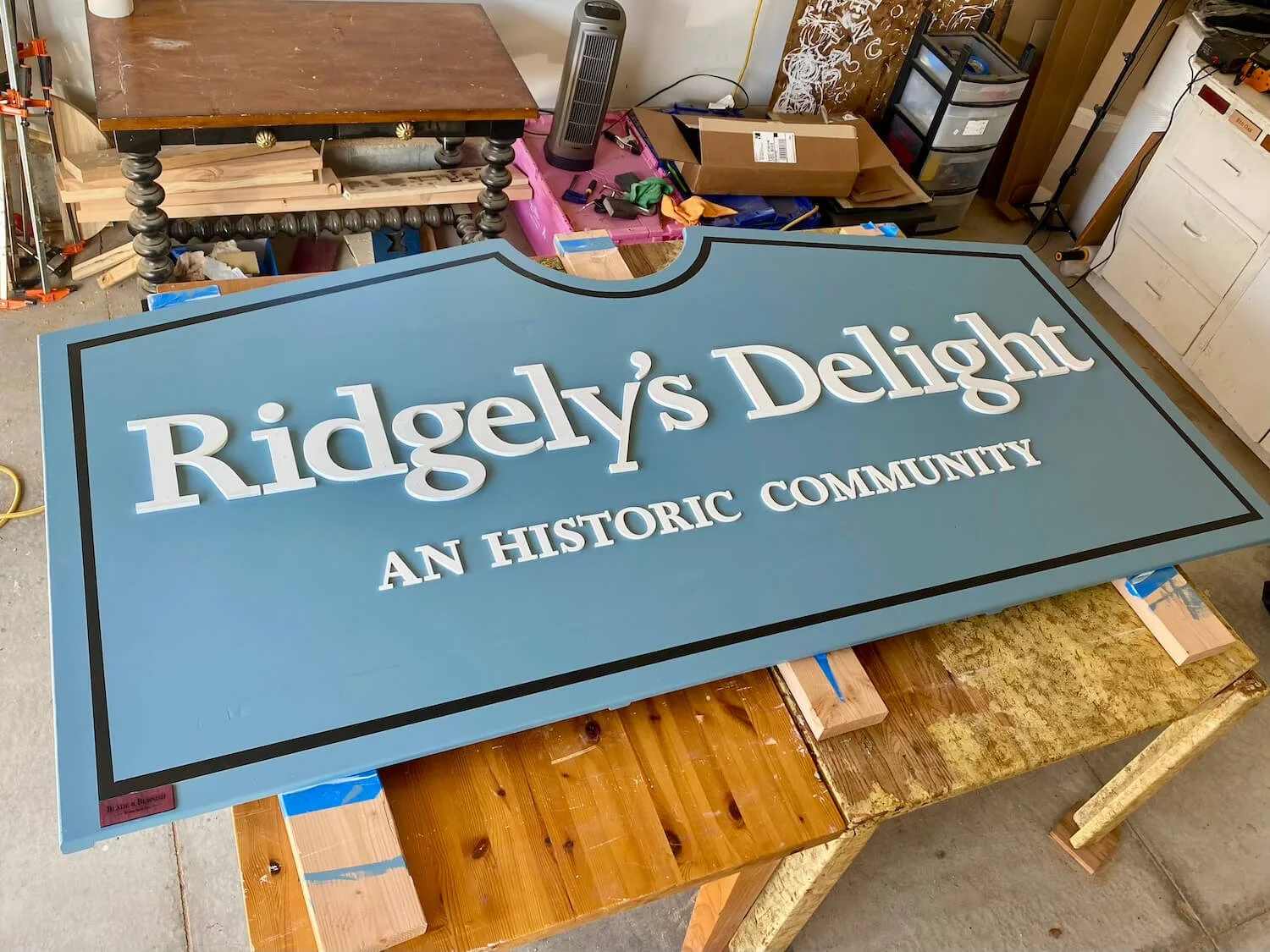
White Oak with acrylic latex paint. 96”x48”
Maintenance: What to Expect Over Time
Let’s talk about the "Honey-Do" list.
If you choose stain, your maintenance routine is lighter but more frequent. You generally don’t need to sand down to bare wood. You just need to clean the sign and slap on another coat every couple of years. The stain bonds to itself easily.
If you choose paint, you get longer breaks between maintenance (7-10 years), but when the day comes, it’s a nightmare. You’ll be scraping, power-washing, sanding, and priming before you can even think about the color coat.
Wood sign maintenance tips for paint: Don't let it fail. As soon as you see a crack near a knot, seal it with caulk and touch it up. Once water gets behind that paint film, the whole thing is doomed.
Interested to learn more? Check out this article on How Long Do Wood Signs Last Outdoors.
When to Choose Paint vs Stain for Your Wood Sign
So, which one is it? Here is the final decision framework based on your actual needs.
Choose Paint if:
Your sign has a lot of detailed graphics or lettering that needs a specific brand color (like corporate logos).
The wood isn't perfect (you need to hide filler or patches).
You live in a high-altitude, high-UV environment (like Colorado or the Alps).
You want to set it and forget it for 5+ years.
Choose Stain if:
You are using a beautiful hardwood like Teak, Mahogany, or White Oak that you want to show off.
You hate the look of peeling paint (stain just fades).
Your sign is in a shaded, damp area where paint tends to hold moisture and blister.
You prefer easy, low-stress touch-ups over major restoration projects.
The Verdict:
If you strictly care about total lifespan before needing a full refinish, paint wins. It lasts twice as long as stain .
However, if you care about ease of maintenance and avoiding the ugly "peeling" look, stain is the winner.
For a business sign where image is everything, invest in a high-quality acrylic latex paint system. For a rustic home address sign nestled in your garden, grab the oil-based stain and enjoy the natural look.
No matter which you choose, remember the golden rule of exterior wood finishing options: The prep work determines 90% of the longevity. Seal that end grain, use a primer, and don't cut corners. Your sign will thank you when the snow flies.
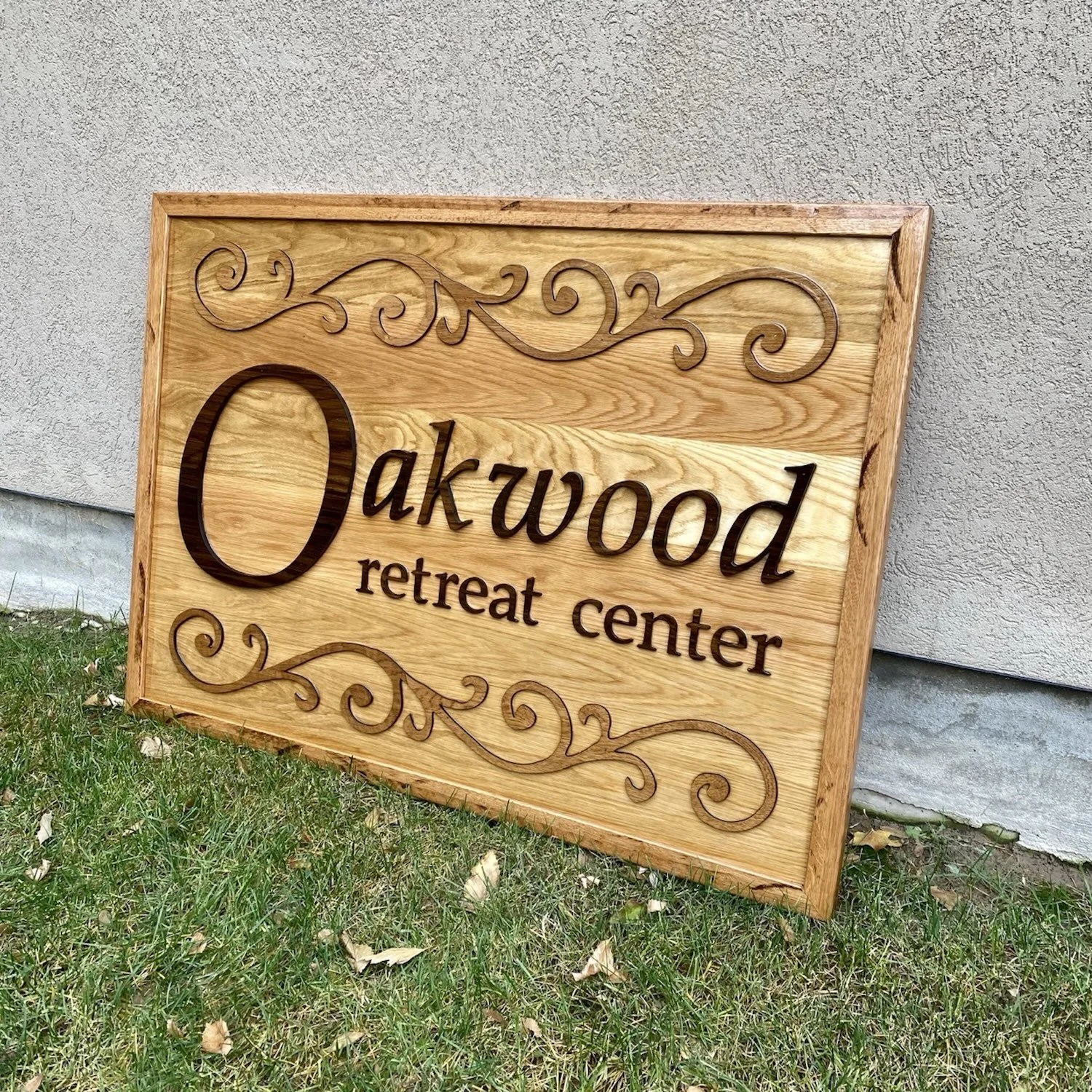
White Oak with walnut and cherry stain. 36”x48”