

How Long Do Wood Signs Last Outdoors? (Real Lifespan Data + Maintenance Tips)
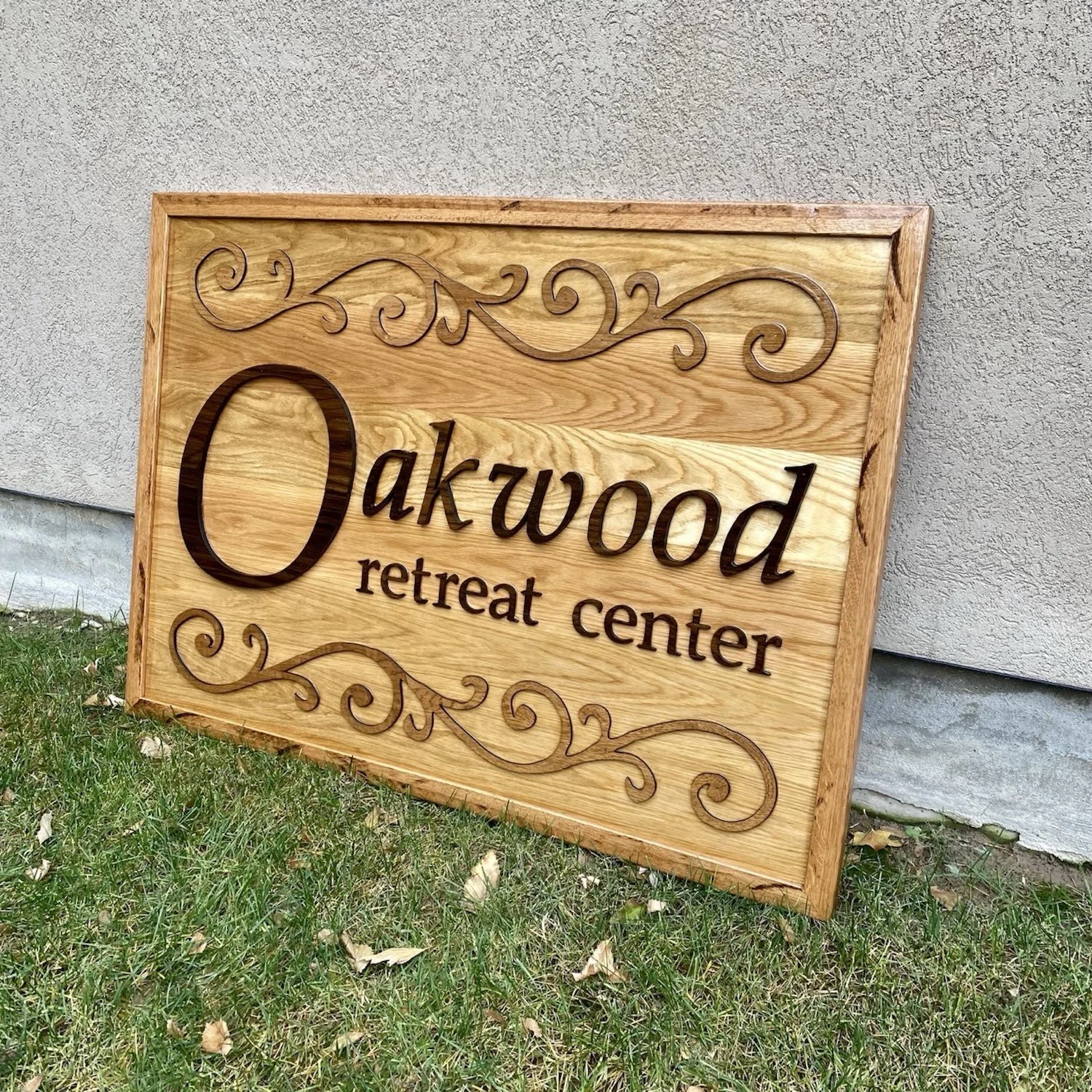
If you’re considering a beautiful custom wood sign for your home or business, a big question is probably on your mind: “How long will this actually last outside?” The answer isn't a simple number. With the right choices, a wood sign can be a 20-year investment. But without them, it could look weathered and worn in just a few seasons.
The real-world lifespan of an outdoor wood sign spans a wide range—from a disappointing 5 years to a robust 20+ years. This huge variation hinges on a few key decisions you make upfront and the simple care habits you follow afterward.
This guide will cut through the guesswork. We’ll explore the real data on what makes a sign last, compare the best materials, and give you practical maintenance tips to ensure your sign stays beautiful for the long haul.
How Long Do Wood Signs Last Outdoors?
Let's get straight to the numbers. Based on industry experience and real-world conditions, you can generally expect the following lifespan ranges for outdoor wood signs:
5–10 years: This is a common range for signs made from materials like standard plywood or untreated pine, especially in climates with harsh sun, rain, or freeze-thaw cycles. Without a superior finish and perfect mounting, decay and warping can set in within this timeframe.
10–20+ years: This is the target for a long-lasting investment. Signs crafted from naturally durable solid woods (like cedar, white oak, or mahogany) and protected with a high-quality, well-maintained finish system can easily reach this milestone.
The key takeaway? A wood sign's longevity isn't predetermined. It's a direct result of the choices you make in three areas: the wood itself, the protective finish, and the ongoing care.
What Affects the Lifespan of Outdoor Wood Signs?
Several factors work together to either shorten or extend your sign's life. Understanding them is the first step to making smart decisions.
Wood Species: This is your foundation. Naturally rot-resistant woods have a massive head start. Woods like cedar, redwood, and white oak contain tannins and oils that fight decay. In contrast, untreated pine or composite boards like MDF will absorb water and deteriorate rapidly outdoors. See this article for more info on What Wood Is Best For Outdoor Signs.
Climate & Exposure: Your local weather is the relentless test. Intense UV rays will fade colors and break down finishes, while moisture is the true enemy, leading to rot, warping, and mold. Signs in constantly wet, humid, or freeze-thaw environments face the toughest challenge.
Finish & Coating: This is your sign's main shield. A thin, single coat of varnish might only last a year. A robust system, like multiple coats of spar urethane or a marine-grade varnish, can provide 2-5 years of solid protection before needing attention. For maximum durability, some experts recommend an epoxy sealer topped with a UV-resistant varnish, which can extend refinishing cycles to 5-10 years in milder climates. See this article for more info on The Best Finishes for Outdoor Wood Signs.
Mounting & Design: How and where you install the sign is critical. Good mounting keeps the sign elevated, allows for air circulation, and directs water runoff away from the wood. Poor details—like exposed end grain, unsealed screw holes, or hardware that traps water—create weak points where failure begins.
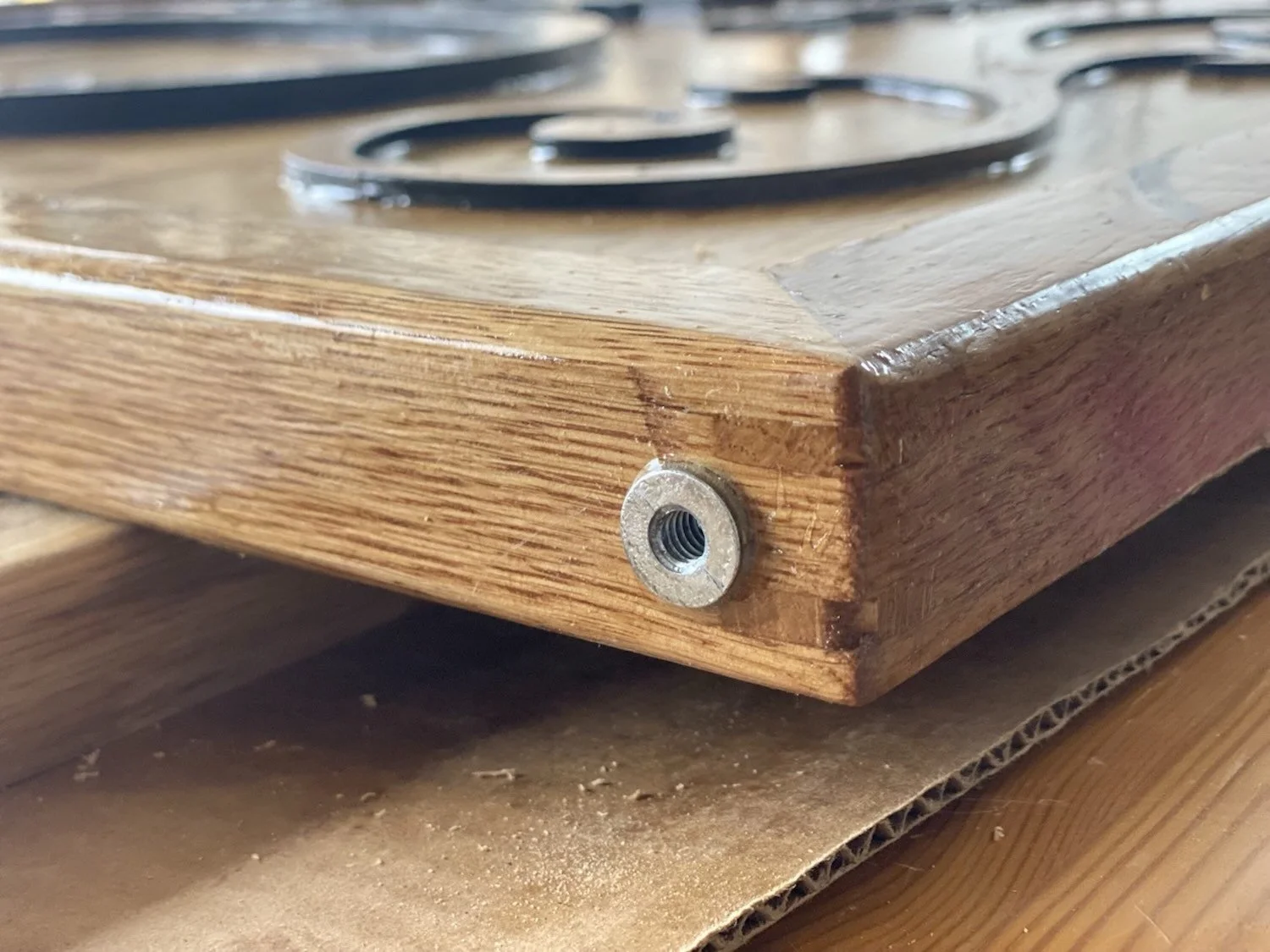
Inset threaded bolt sleeves prove to be a secure and water resistant way of mounting large wood signs.
Best Wood for Outdoor Signs
Not all wood is created equal for outdoor duty. Your choice of material sets the ceiling for your sign's potential lifespan. Here’s a comparison of popular options:
| Wood Type | Key Characteristics | Best For | Typical Lifespan Expectation (With Proper Finish & Care) |
|---|---|---|---|
| Cedar & Redwood | Naturally contain rot- and insect-resistant oils. Lightweight and stable. | Rustic signs, residential projects, regions with high moisture. | 15-20+ years |
| White Oak | Extremely dense, closed-grain structure resists water penetration. Very strong. | Heavy-duty commercial signs, areas with harsh weather. | 15-20+ years |
| Mahogany / Teak | Premium tropical hardwoods with exceptional natural durability and rich color. | High-end, luxury signs where budget is less of a concern. | 20+ years |
| Marine-Grade Plywood | Engineered with waterproof glue and higher-quality veneers. Must be perfectly sealed on all edges. | Painted signs, larger flat panels where solid wood is cost-prohibitive. | 5-10 years |
| Pine (Pressure-Treated) | Inexpensive and readily available. The treatment protects against rot but the wood can still warp and check. | Temporary or budget-conscious projects where a rustic, weathered look is acceptable. | 5-10 years (often with significant weathering) |
*Note: Lifespans are estimates. Extreme climates, neglect, or installation errors can shorten them significantly.
Are Wood Signs Durable in Weather and Sun?
This is a fair concern. Yes, wood signs can be remarkably durable, but you must respect the elements. Durability isn't a yes/no question; it's about managing two main adversaries:
Sun (UV Radiation): UV rays don't rot wood, but they break down the lignin (the "glue" that holds wood fibers together) and any finish on top. This leads to fading, graying, and eventual cracking of the wood surface. The solution is a finish with UV inhibitors and considering partial shade from a roof overhang or tree canopy.
Water & Moisture: This is the primary cause of structural failure. Water swells wood, and repeated swelling/shrinking causes checks (cracks). If water sits, rot fungi thrive. The defense is three-fold: using rot-resistant wood, applying a water-repellent finish, and ensuring smart mounting that promotes drying.
A well-made wood sign accepts that it will weather gracefully, but it shouldn't fall apart. The goal is to control the rate of change so your sign remains legible and attractive for decades.
Outdoor Wood Sign Maintenance Tips
Think of maintenance not as a chore, but as the essential habit that unlocks your sign's full lifespan. Here’s a simple routine:
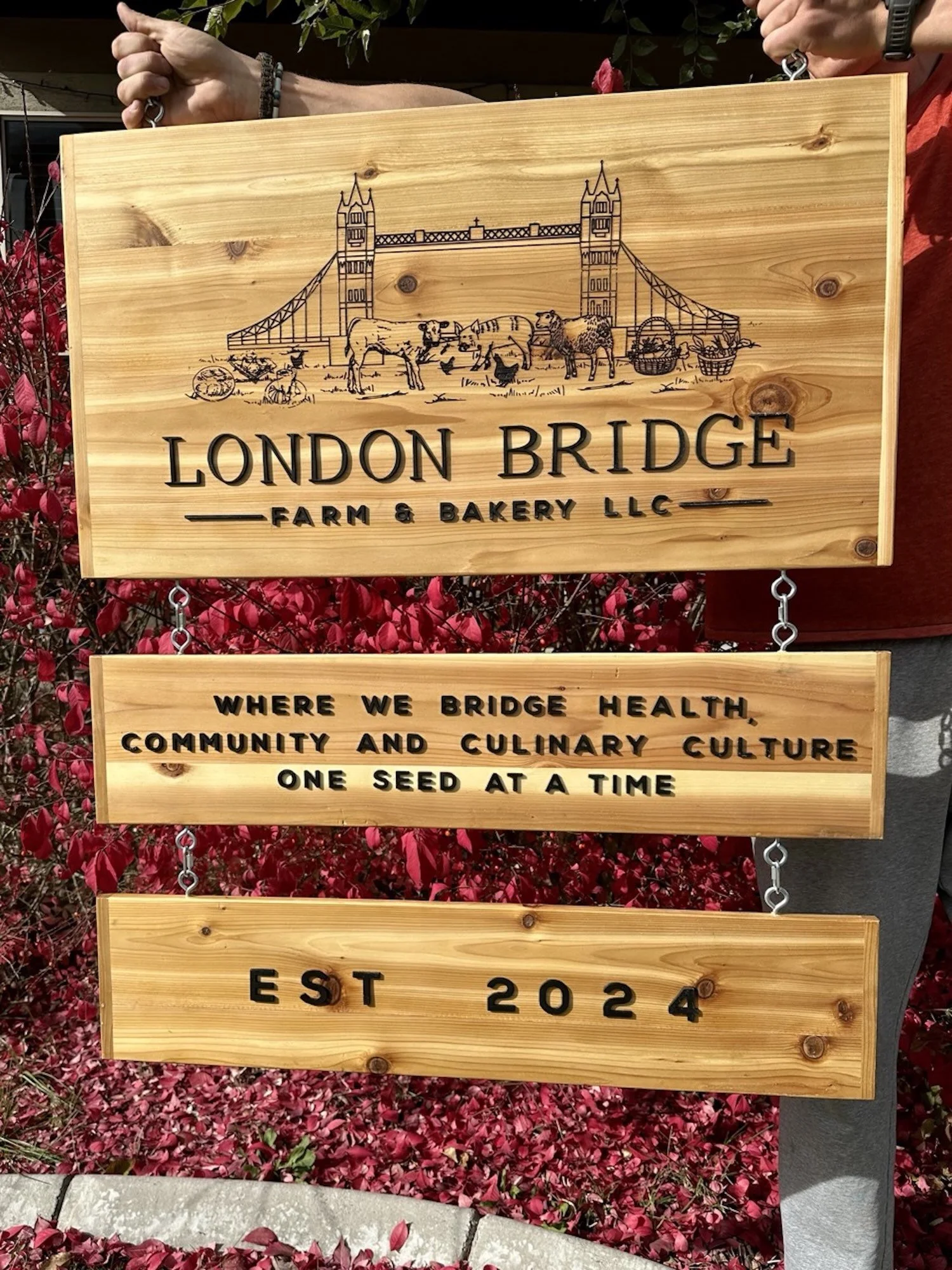
Annual Inspection & Cleaning: Once a year, gently wash your sign with mild soap and water to remove dirt, mildew, and pollutants that degrade finishes. As you clean, look closely for the early warning signs: dulling of the finish, hairline cracks, or peeling at the edges. Catching these early is key.
Refresh the Finish: Don't wait for the finish to completely fail. When it looks worn or dry, it's time to act. Lightly sand the surface with fine-grit sandpaper to scuff it up, wipe away dust, and apply a fresh coat of the same type of finish (e.g., spar urethane). This "tops up" the protection before water gets underneath.
Protect from Avoidable Stress: Be proactive. Trim back vegetation touching the sign. Ensure sprinklers aren't constantly spraying directly on it. If possible, a small roof or awning above the sign can dramatically reduce UV and water exposure, adding years to its life.
Do Outdoor Wood Signs Require Regular Sealing?
In short, yes. Sealing is non-negotiable. A finish (whether clear or paint) is what seals the wood from moisture. And no sealant lasts forever outdoors.
The sun's UV radiation and weather slowly break down these protective films. A high-quality spar urethane or marine varnish might need recoating every 2-5 years, depending on your climate and sun exposure. Painted signs will need touch-ups and eventual repainting.
The most critical areas to seal are the end grain (the edges where you can see the pores of the wood). End grain absorbs water like a sponge, so it requires extra-thorough sealing during initial construction and during every maintenance cycle.
Rustic Wood Outdoor Signs vs. Modern Finishes
This choice often comes down to aesthetics versus maximum protection.
The Rustic Look: Many homeowners love the idea of letting a cedar or redwood sign naturally silver to a soft gray. This is a valid choice if you embrace the weathered aesthetic. To achieve this, you can use a simple penetrating oil (like tung oil) that protects without forming a plastic-like film. The sign will change color but age gracefully. Minimal maintenance is required, but the wood will slowly lose surface material over decades.
The "Like New" Look: If you want to preserve the original wood color or a specific stain, you need a film-forming finish like spar urethane or epoxy. These create a barrier that slows graying and provides the best defense against water. The trade-off is that this film will eventually degrade and require sanding and recoating to maintain its protection and appearance.
How to Care for and Maintain a Custom Wood Sign Outdoors
Let's translate the tips above into a simple, actionable plan for your custom sign:
Year 1-3: Enjoy it! Do an annual clean and visual check.
Year 3-5: During your annual inspection, if the finish looks dull or dry, plan a refresh. Lightly sand and apply a new top coat.
Year 5-10: Expect a more thorough refinishing. This may involve stripping any severely peeling finish, sanding the wood back to a sound surface, and applying several fresh coats of sealant.
Decade+: With this cycle of care, your sign can easily reach the 10-20 year mark. At this stage, it may show its age in a beautiful, character-rich way, but it should remain structurally sound and proudly display your message.
Outdoor Wooden Business Signs: What to Expect Long-Term
For a business, your sign is a critical investment in your brand identity. You need reliability. Here’s what to expect and plan for:
Professional Installation is Key: Ensure your sign installer uses proper mounting hardware that won't rust and allows for drainage. The sign should be placed to avoid direct roof runoff or sprinkler spray.
Budget for Maintenance: Factor in the cost of occasional cleaning and refinishing into the long-term cost of the sign. A small maintenance budget every few years is far cheaper than replacing the entire sign prematurely.
Communicate with Your Sign Maker: Discuss your local climate and your willingness to maintain the sign. A reputable sign company will guide you toward the most durable wood and finish combination for your specific needs and budget, ensuring your business makes a great first impression for years to come.
To learn more about a wood signs effect on a business, check out this article on How Custom Wood Signs Boost Customer Engagement.
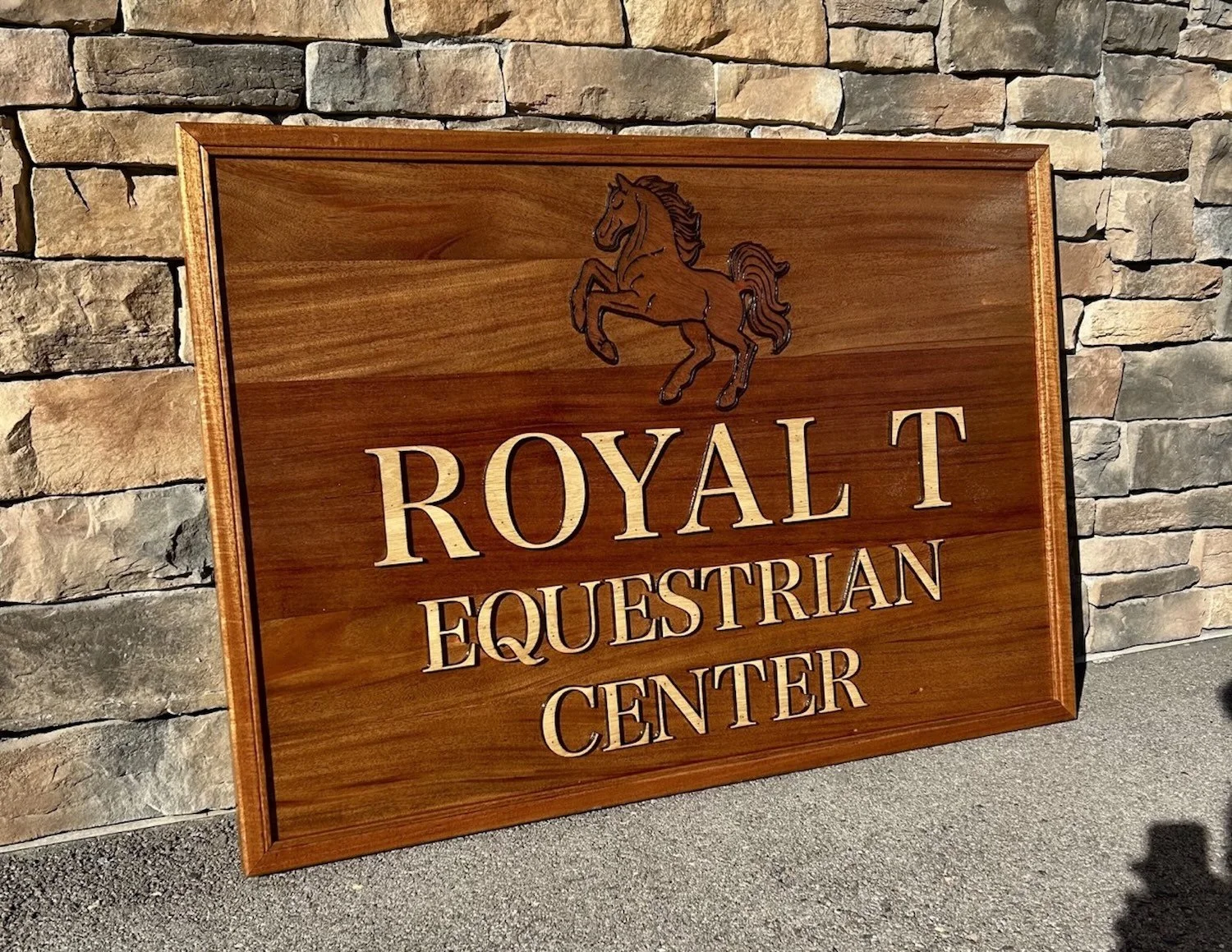
An outdoor Equestrian Center sign made of mahogany and white oak, built for the Arizona sun.
Final Thoughts
So, how long do wood signs last outdoors? As we've seen, the power is largely in your hands. By starting with a durable wood like cedar or white oak, protecting it with a robust finish like spar urethane, installing it smartly, and committing to simple annual care, you can confidently expect your sign to stand strong and beautiful for 10 to 20 years or more.
It transforms from a short-term decoration into a long-term landmark for your home or business. The minimal effort required to wash it and refresh the finish every few years is a small price to pay for decades of warm, natural appeal that no other material can quite replicate.
Ready to create a sign that lasts? Let these principles guide your choices, and you’ll enjoy your custom wood sign for many, many seasons to come.
Planning to build it yourself? These guides might help:
Crafting Character: How to Choose the Perfect Wood Species for Your Custom Sign
Preventing Wood Warping and Swelling: A Guide to Gluing Up Large Panels and Framing for Longevity
The Complete Guide to Floating Frames: Transforming Art and Woodworking