

Cedar vs Oak: Which Wood Makes the Best Outdoor Sign?
Whether you’re hanging a custom business sign, creating a welcoming residential address plaque, or setting up rustic park signage, your choice of wood isn’t just about aesthetics. It's a decision that determines how your sign will endure rain, sun, wind, and time. Of all the available woods, cedar and oak are two of the most popular and enduring choices.
But when it comes to cedar vs oak outdoor signs, which is truly the better wood for your project? The answer isn’t a simple one, and it depends on your climate, design, and long-term maintenance expectations.
Let’s dive into a detailed comparison, breaking down the strengths and weaknesses of cedar and oak for outdoor signs, so you can make the perfect choice for your project.
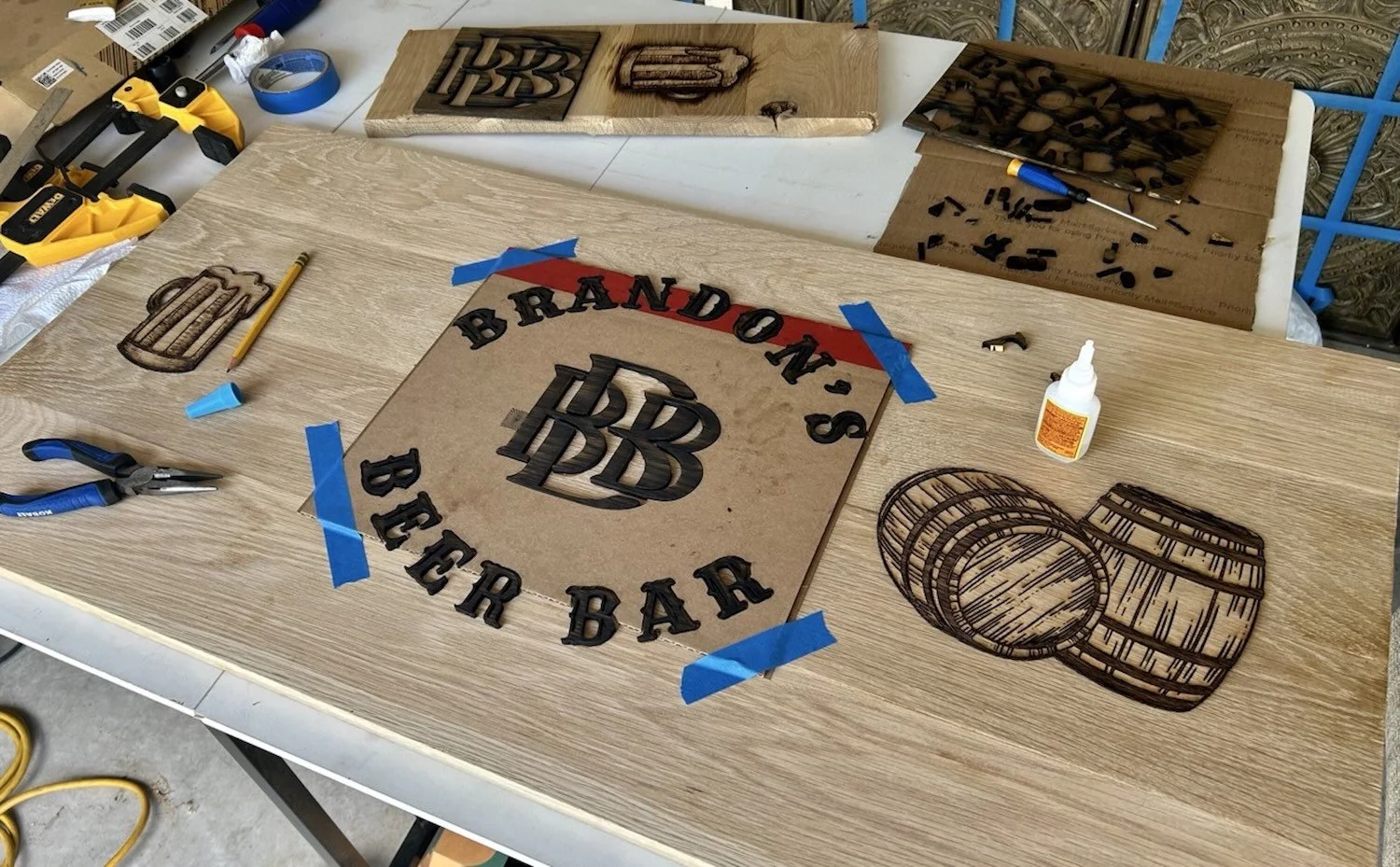
Professional custom wood sign builder Blade & Burnish Wood Sign Co. constructing an outdoor white oak sign.
Why Wood Choice Matters for Outdoor Signs
Choosing the right wood is the first and most critical step in ensuring your sign is not just beautiful, but also durable. A well-chosen species, paired with a proper finish and installation, can last for decades, serving as a lasting testament to your craft or brand.
Cedar for Outdoor Wood Signs: Pros and Cons
Cedar, particularly Western Red Cedar, is a classic favorite for outdoor projects, and for good reason.
Natural Durability: Cedar is prized for its natural resistance to decay, rot, and insects thanks to oils like thujaplicin that act as built-in preservatives. This inherent protection means it performs well even if a finish begins to wear.
Stability: It’s a dimensionally stable wood, meaning it resists warping, twisting, and checking as humidity changes. This stability is crucial for keeping your sign flat and intact over the years.
Workability & Weight: As a lightweight softwood, cedar is incredibly easy to carve, rout, and shape. Its lighter weight also makes it much easier to hang and install, especially for larger signs.
Aging Gracefully: Left unfinished, cedar will slowly weather to a beautiful, uniform silvery-gray patina that many find appealing for a rustic look.
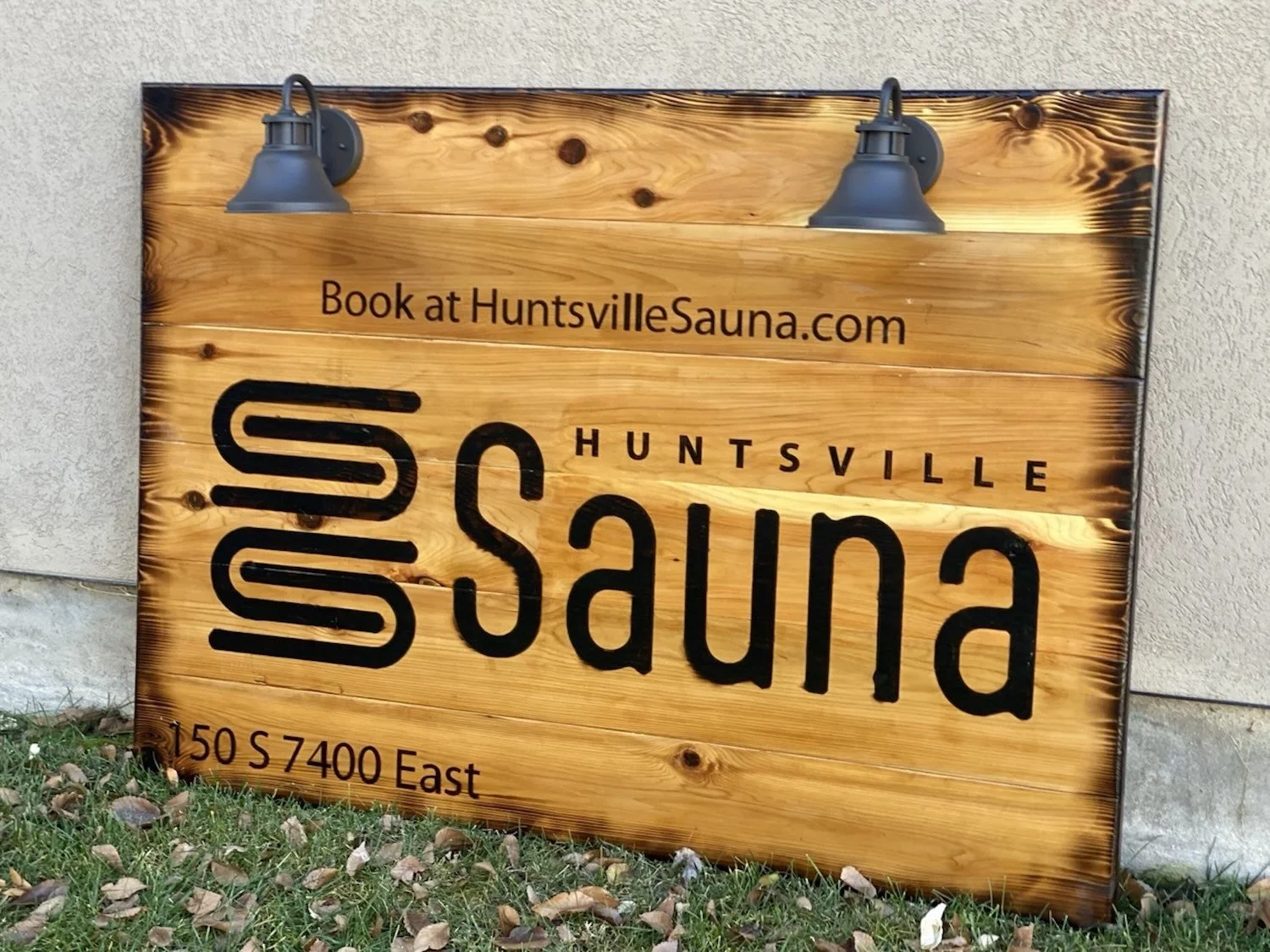
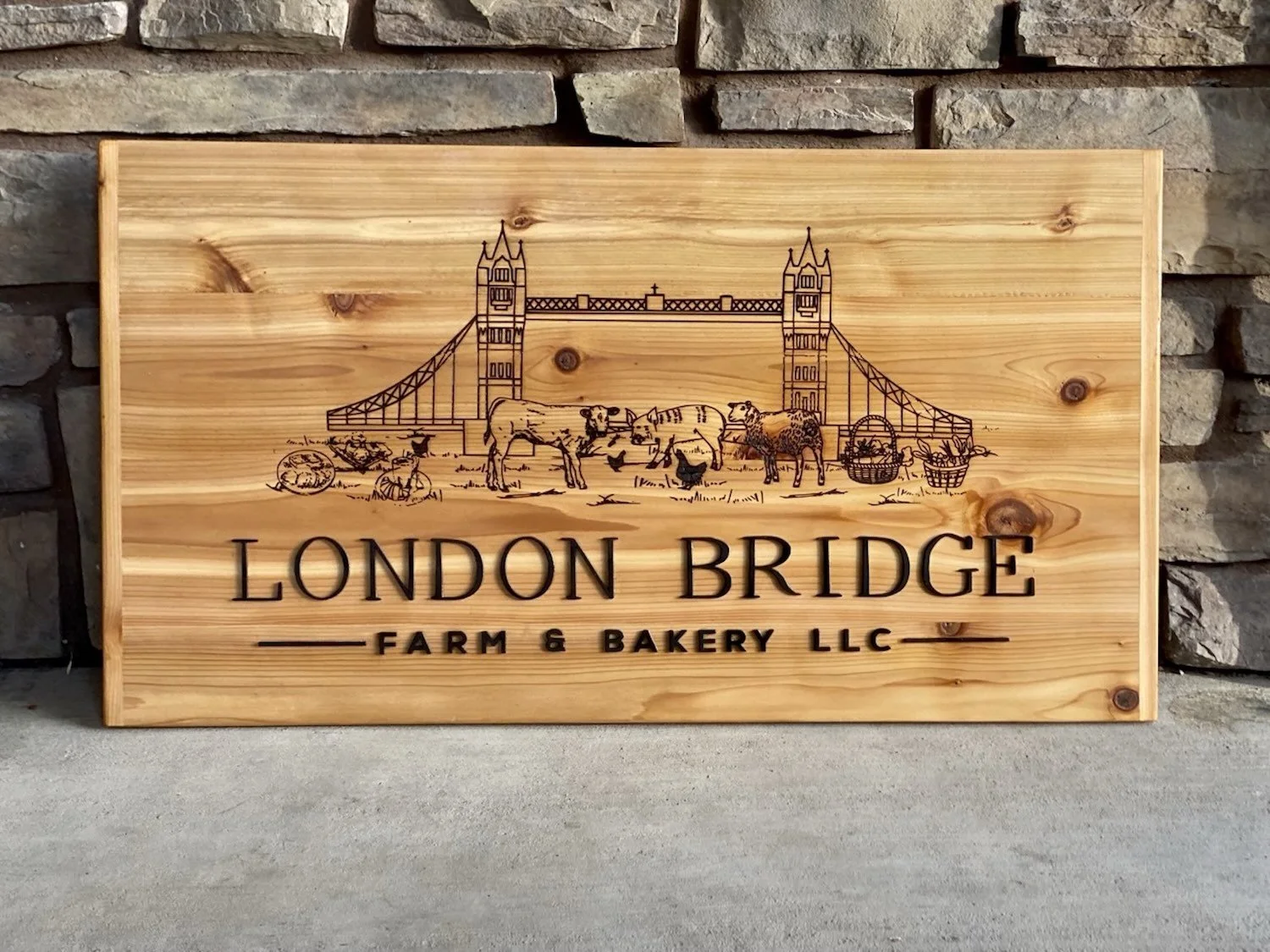
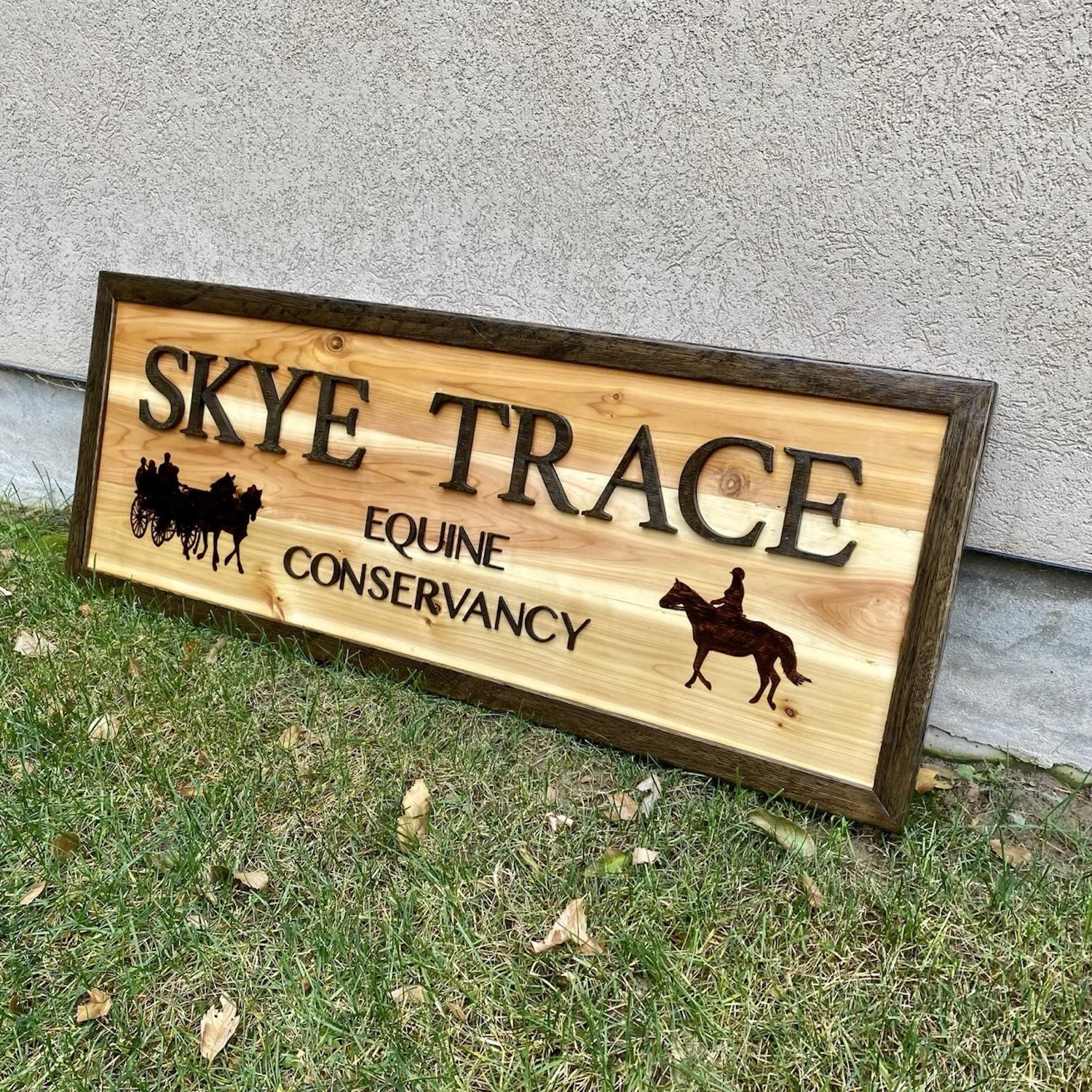
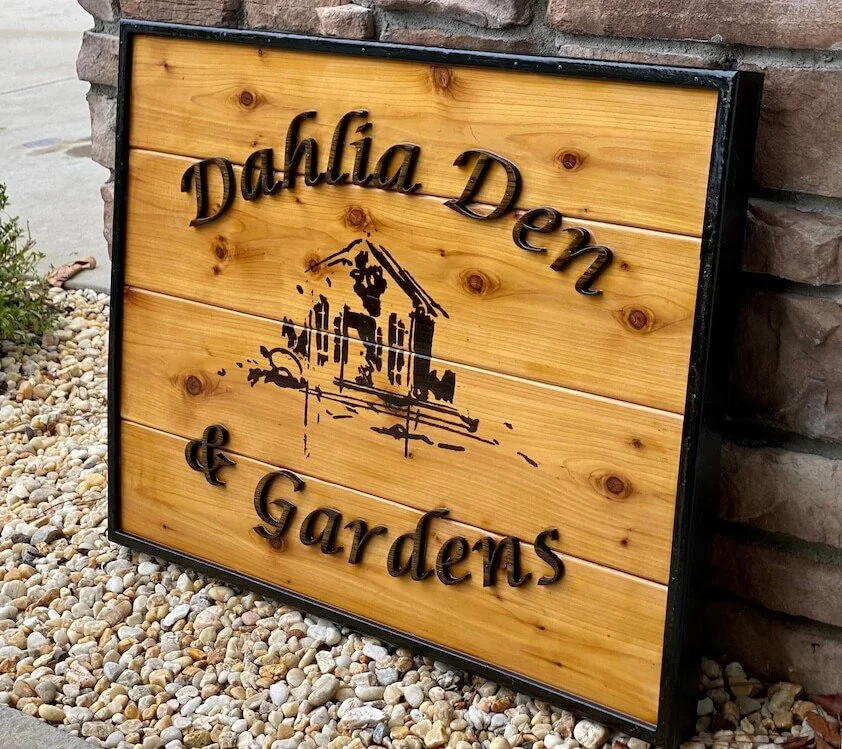
However, cedar’s softness is its primary drawback. With a low Janka hardness rating, it is more susceptible to dents, scratches, and physical damage in high-traffic areas. It’s a forgiving wood for finishing, but not for impacts. See some example outdoor cedar signs below.
Oak for Outdoor Wood Signs: Pros and Cons
Oak, specifically White Oak, is the heavyweight champion of durable hardwoods for outdoor use.
Strength & Hardness: White Oak is incredibly dense and hard, offering superior impact resistance and structural stiffness. It can withstand bumps and abrasions that would damage softer woods.
Water Resistance: Its famous closed-cell grain structure makes it highly resistant to water penetration—so much so that it’s traditionally used for whiskey barrels and boatbuilding. This gives it a strong natural defense against rot.
Longevity & Substance: When properly maintained, an oak sign feels like a permanent, heirloom-quality fixture. Its weight and density convey a sense of solidity and importance.
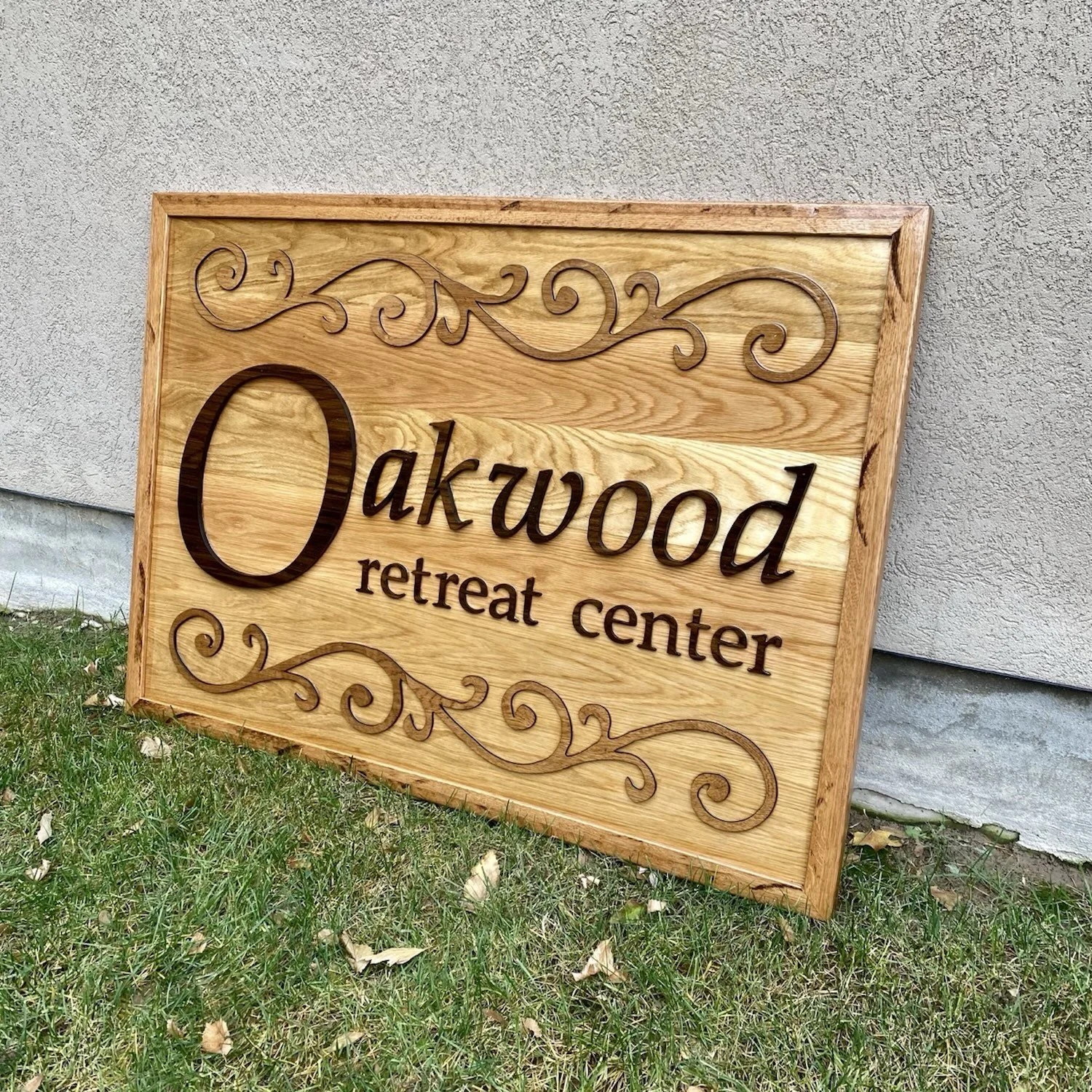
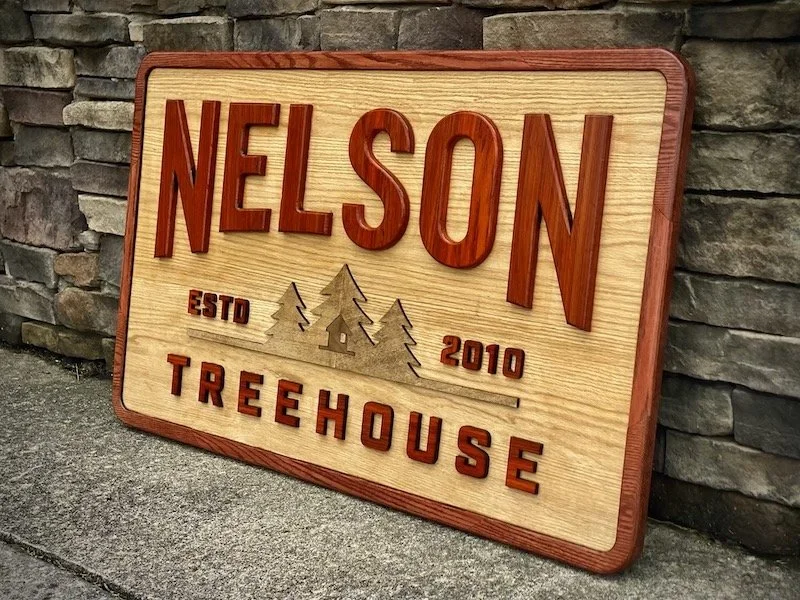
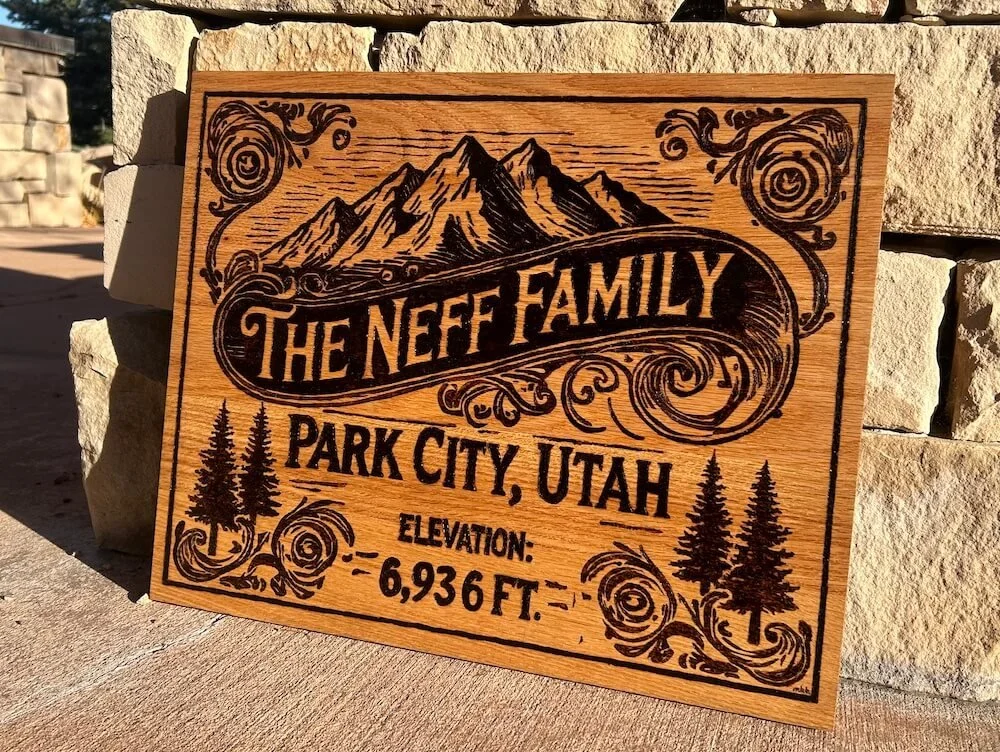
The trade-offs are significant. Oak is heavy, making large signs difficult to handle and install. It’s also harder on tools and more challenging to carve intricate details into. Most importantly, it demands a higher level of maintenance; its density can trap moisture if not fully sealed, leading to checking and cracking. Below are some classic oak wood sign examples.

Durability and Lifespan: Cedar vs Oak Outdoors
Both woods can achieve impressive lifespans, but their paths to longevity differ.
Cedar Lifespan: With good care and a proper exterior finish, cedar signs can reliably last 20 to 30 years outdoors. Its natural oils provide a baseline of protection that allows it to remain structurally sound even as finishes degrade. In dry, high-sun climates, a well-finished cedar sign can last 10-20+ years with periodic re-coating.
Oak Lifespan: White oak has the potential to match or even exceed cedar’s lifespan, but it is more dependent on diligent sealing and maintenance. The key is preventing moisture ingress, especially at end grains and fastener holes. With a robust finishing system like an epoxy sealant topped with UV-resistant varnish, oak can endure for decades.
In essence, cedar offers a more forgiving durability, while oak offers a tougher but more demanding one.
Maintenance Requirements for Cedar and Oak Signs
Your willingness to maintain a sign should heavily influence your wood choice.
Cedar Maintenance: Cedar is relatively low-maintenance. It accepts stains, oils, and varnishes well. A routine of cleaning with mild soap and water, followed by inspection and reapplication of a penetrating oil or spar varnish every few years, is often sufficient. If the finish wears off, the wood beneath is still protected for a time.
Oak Maintenance: Oak requires a more proactive approach. To leverage its water resistance, it needs to be completely encapsulated. This often means using a multi-coat system (e.g., epoxy + marine varnish) and paying special attention to sealing all edges. Regular inspections for cracks in the finish are crucial, as water trapped inside dense oak can cause more damage than in cedar.
Appearance and Style Differences Between Cedar and Oak
Beyond durability, the visual character of each wood tells a different story.
Best Climate for Cedar vs Oak Outdoor Signs
Climate can tip the scales in favor of one wood over the other.
Cedar performs best in: Moist, humid, or coastal climates where its natural rot resistance is a major asset. Its stability also makes it a great choice for areas with significant seasonal humidity swings.
Oak performs best in: Colder climates with freeze-thaw cycles, where its density and hardness offer better resistance to physical stress from ice and snow. It’s also a strong choice for dry climates, provided it is sealed against UV damage.
Which Wood Is Best for Your Outdoor Sign?
So, cedar or oak? The final choice comes down to your specific needs:
Choose Cedar if: You want a lower-maintenance, lightweight, and cost-effective sign with a classic rustic look. It’s the superior all-around choice for residential name signs, garden markers, cottage signage, and most small to medium business signs where ease of installation and forgiving durability are priorities.
Choose White Oak if: You need a sign that must withstand high physical abuse (e.g., in a public or farm setting), you desire a heavy, substantial "heirloom" feel, and you are committed to a rigorous sealing and maintenance regimen. It’s ideal for large commercial monument signs, formal institutional plaques, and signage in harsh, cold climates.
Making Your Decision
Ultimately, the "best" wood is the one that best aligns with your project’s context. Cedar is the versatile, forgiving workhorse, while oak is the specialized, heavy-duty performer. By weighing factors like your local climate, desired aesthetic, budget, and maintenance willingness, you can select the perfect material to ensure your outdoor sign stands the test of time.
Ready to create your lasting sign? Understanding these material differences is the first step. The next is partnering with a skilled maker who can bring your vision to life in the wood that’s right for you. Consider inquiring with professional wood sign builder Blade & Burnish Wood Sign Co. to bring your custom outdoor sign to life.
Related Readings: