

Are Wood Signs Good for Outdoors? Everything You Need to Know About Durability & Weather Resistance
Outdoor wood signs can absolutely hold up outside—sometimes for decades—but only if you choose the right species, finish it properly, and give it a little routine care. Done well, Cedar, White Oak, and Mahogany can each be long‑lasting, great‑looking options that comfortably compete with metal and composite signs in real-world conditions.
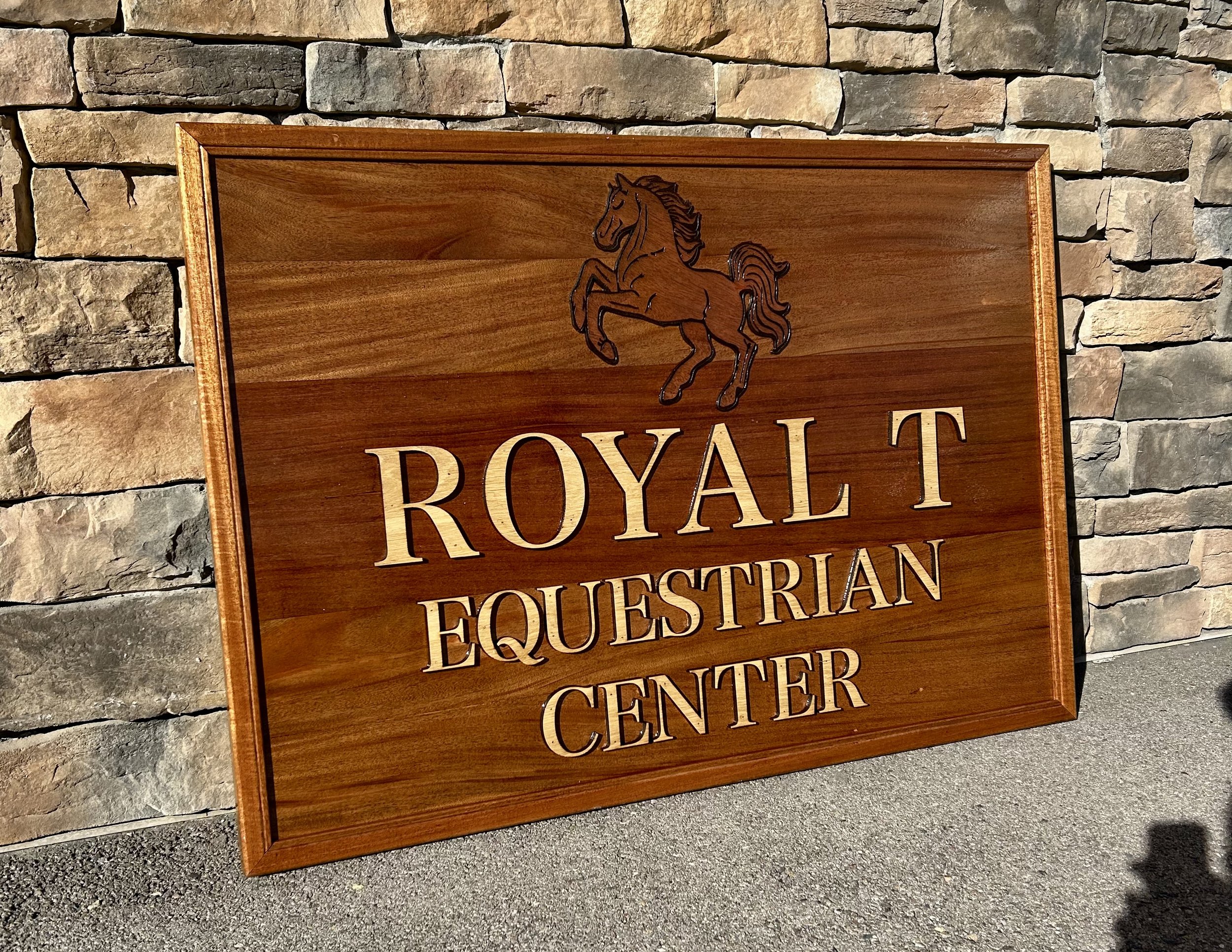
Are Wood Signs Good for Outdoor Use? The Short Answer
In most climates, a well‑built, well‑finished wood sign made from a properly suited outdoor species can last 10–20+ years outdoors, sometimes longer, before you ever think about replacing it. The key is matching the wood and finish to your climate, then staying ahead of weathering with simple cleaning and periodic resealing.
Why People Choose Wood for Outdoor Signage
People choose wood because it delivers a warm, natural, and “crafted” look that metal and plastics struggle to mimic, especially when carved, engraved, or deeply 3D‑shaped. It also pairs beautifully with architectural elements like timber framing, stone, and natural landscaping, which is why boutique shops, lodges, farms, and custom homes lean heavily toward wood signage.
On top of that, wood is highly customizable—you can router‑carve, sandblast, stain, paint, or even gold‑leaf it—so you get far more texture and depth compared with a flat printed aluminum or PVC panel. For many brands, that tactile, handcrafted feel is part of the identity, not just a design detail.
What Affects the Durability of Outdoor Wood Signs?
Several environmental forces work on your sign at once: water, sun, and temperature swings. Each one attacks the wood (and the finish) in a different way, so understanding them helps you choose smarter finishes and placement.
Moisture, Rain, and Humidity
Moisture is enemy number one. When bare or poorly sealed wood takes on water, fibers swell; when it dries, they shrink. That constant cycle leads to checking, cracking, and eventually rot, especially along end grain and joints. High humidity and frequent rain also create conditions for mold and mildew, which can stain the surface and slowly damage the wood.
This is where a good finish matters: film‑forming coatings like marine varnish, spar urethane, or an epoxy‑and‑varnish system slow water absorption dramatically by sealing the surface and pores. In wetter or coastal climates, the difference between a fully sealed sign and an unsealed one can easily be the difference between a 3–5‑year life and a 10–20‑year life.
UV Exposure and Sun Damage
UV radiation breaks down lignin in the wood—the “glue” that holds fibers together—causing color fading, surface roughness, and eventual fiber erosion. That’s why uncoated Cedar and Mahogany slowly go gray and fuzzy; structurally they can still be okay for a while, but they lose that crisp, fresh look.
Quality exterior finishes for wood signs include UV absorbers and stabilizers that soak up and dissipate UV before it reaches the wood. Marine varnishes and spar urethane specifically advertise UV shielding for harsh sun exposure, making them a strong choice for south‑facing signs or high‑altitude locations.
Temperature Swings and Seasonal Movement
Wood expands when humid and shrinks when dry; it also moves differently along and across the grain, so temperature and seasonal humidity swings can stress joints and finishes. If the finish is too brittle (like a standard interior polyurethane), it may crack as the wood moves, letting water in and accelerating failure.
Spar and marine‑grade varnishes are formulated to stay flexible, moving with the wood instead of fighting it. That flexibility, combined with multiple thin coats, is why boat builders and exterior door makers rely on these finishes in environments where expansion and contraction are constant.
Mounting Location (Wall, Post, Hanging, Shaded)
Where and how you mount the sign is almost as important as what it’s made from. Signs mounted under eaves or on north‑facing walls typically see far less UV and direct rain, which can dramatically extend finish life.
Free‑standing post or hanging signs get hit from all sides by sun and weather, so they will generally need more frequent cleaning and re‑coating. Keeping the bottom edge at least a foot above soil, using stainless hardware, and avoiding direct sprinkler spray can all help reduce splash‑back, staining, and premature rot.
The Best Wood Species for Outdoor Signs
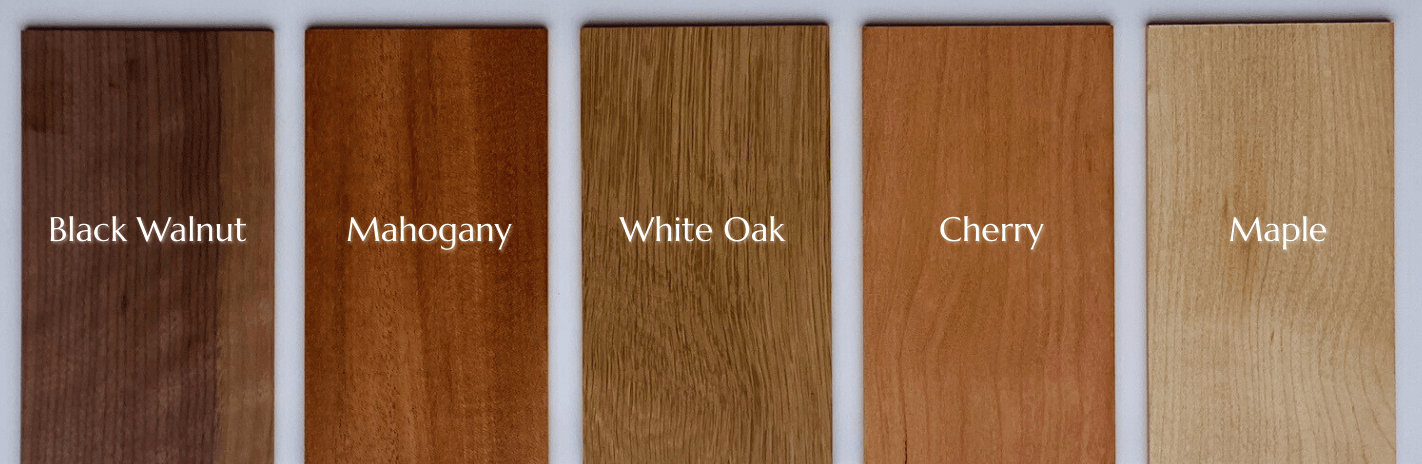
For this post, the spotlight is on Cedar, White Oak, and Mahogany—all proven performers outdoors when properly finished and maintained. Check out this guide on What Wood Is Best for Outdoor Signs for further reading.
Cedar
Cedar (often Western Red Cedar) is a classic for outdoor projects because it has natural resistance to decay and insects and is relatively stable as it gains and loses moisture. It’s also lighter and softer than many hardwoods, which makes it easier to carve and handle, though it can dent more easily in high‑traffic locations.
Left unfinished, Cedar slowly turns a silvery gray as UV breaks down surface fibers, which some people love for a rustic look. If you want to keep its warm reddish or honey tones, pairing it with a tinted UV‑blocking stain, penetrating oil, or spar urethane helps lock in color and slow that graying dramatically.
White Oak
White Oak is a tough, dense hardwood with a tight grain structure and high tannin content that helps it resist moisture and decay; it’s the same species family often used for whiskey barrels and exterior applications. That closed cellular structure makes it more water‑resistant than many other oaks, which is why it’s traditionally favored for boat framing and outdoor furniture.
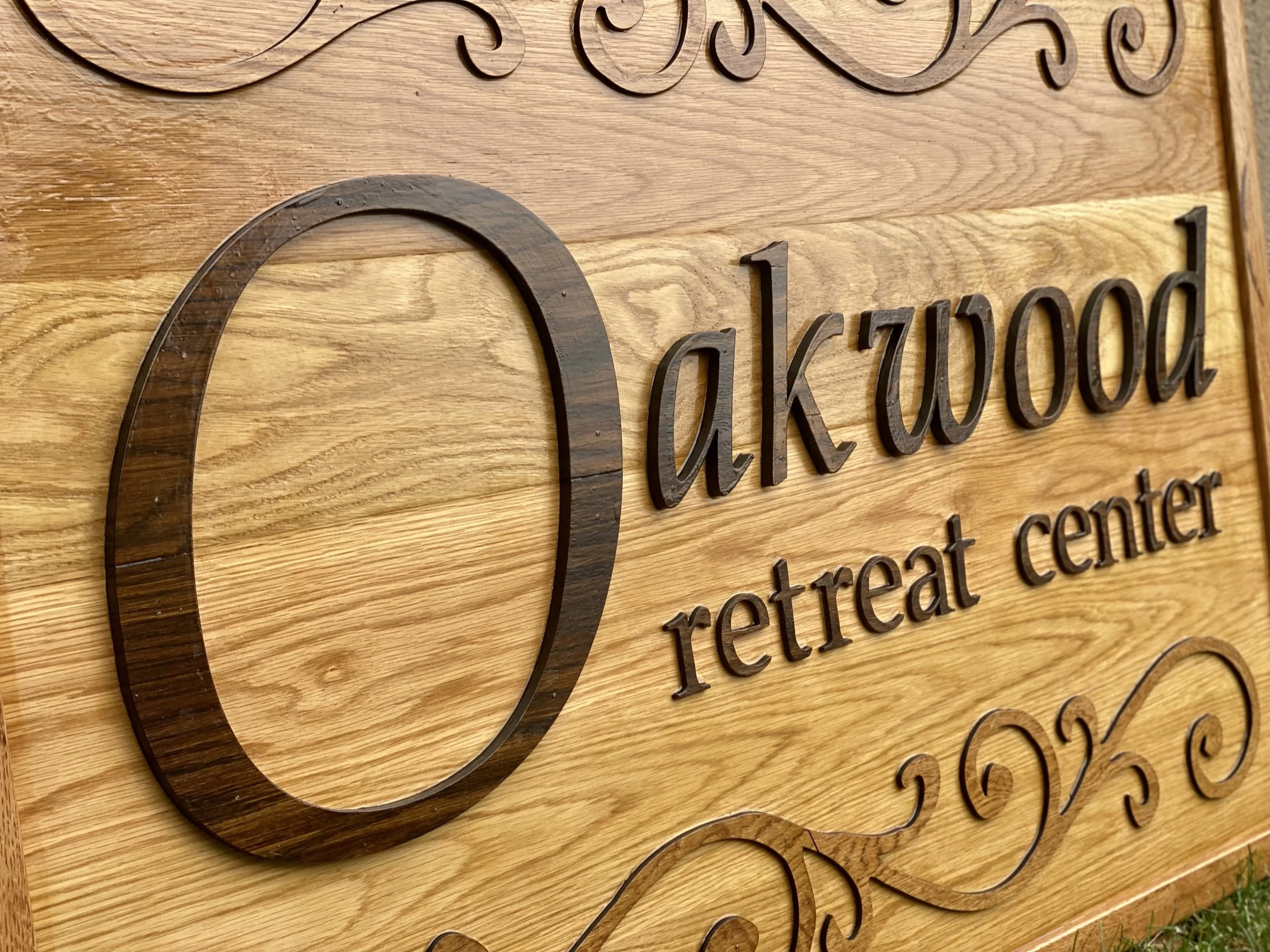
On the downside, White Oak can be harder to carve and is heavier, making large signs more demanding to install. Its tannins can also react with water and iron, causing dark stains or “blackening” if it’s not adequately sealed and if non‑stainless hardware is used. Clear or lightly tinted marine varnish, epoxy encapsulation plus spar varnish, or UV‑protective oil finishes all pair well when you want both durability and a rich, classic look.
Mahogany
True Mahogany (and some of the high‑quality “mahogany‑type” species used today) has a long history in boatbuilding because it’s dense, stable, and naturally rot‑resistant. It tends to move less with seasonal changes than many other hardwoods, which is a big advantage for intricate, glued‑up sign panels.
Mahogany is usually more expensive and, depending on the specific species and source, can carry environmental and sourcing considerations, so many makers prioritize reputable, sustainable suppliers. A clear marine‑grade varnish or similar exterior sealant lets its rich color show through while reinforcing its natural resistance and adding strong UV protection for coastal or high‑sun installs.
How Long Do Outdoor Wood Signs Actually Last?
There’s no single number, but there are realistic ranges based on wood, climate, and how you care for the finish. Think of the finish as a sacrificial shield: as long as you keep that shield in good shape, the wood underneath can keep going for decades.
Lifespan in Dry Climates
In drier, high‑sun regions where rain is limited but UV exposure is intense, the main threat is sun rather than rot. Cedar, White Oak, and Mahogany with good UV‑blocking finishes can easily see 10–20+ years of service if you re‑coat the finish every few years when it dulls or micro‑cracks.
To keep color and gloss, expect to lightly sand and refresh marine varnish or spar urethane somewhere in the 3–5‑year range in many non‑equatorial locations. Even if you let the finish fully weather off, the sign can often remain structurally sound for quite a while—it will just look gray and more rustic.
Lifespan in Humid or Coastal Climates
Humid, rainy, or coastal climates are harsher: moisture, salt, and biological growth all ramp up the stress on your sign. Here, epoxy encapsulation plus a UV‑resistant marine varnish, or a high‑build spar varnish system, delivers the best long‑term protection against swelling, rot, and surface degradation.
Signs With Proper Sealing vs. No Sealing
Unfinished or poorly sealed signs soak up water, crack more quickly, and are much more vulnerable to mildew and fungal decay. A basic oil‑only finish can look great but tends to offer limited UV and moisture protection, so it requires annual or even more frequent touch‑ups in exposed locations.
By contrast, an epoxy‑sealed sign topped with quality marine varnish can theoretically protect the wood indefinitely as long as the outer varnish coat is maintained, because the epoxy forms a complete moisture barrier and the varnish takes the UV hit. When the topcoat dulls, a light sand and fresh coat of varnish refreshes its UV absorbers and keeps the underlying epoxy and wood intact.

Wood vs. Metal vs. Composite Signs: Which Should You Choose?
If you’re debating materials, it helps to compare them side by side. Wood is rarely the “wrong” choice—it’s just the more hands‑on one.
Aesthetic Differences
Wood offers warmth, visible grain, and genuine depth when carved or engraved that is hard to replicate in flat sheet materials. It tends to look more premium, handcrafted, and “human,” which is why higher‑end retail shops, hospitality brands, and custom homes so often choose it.
Aluminum, acrylic, and PVC lean more modern and sleek, with very crisp, printed graphics and a cleaner, contemporary feel. If your brand skews techy, ultra‑minimal, or industrial, these materials might better match your visual language.
Material Comparison at a Glance
| Material | Biggest Pros | Main Cons | Typical Use Cases |
|---|---|---|---|
| Wood (Cedar, White Oak, Mahogany) | Warm, natural, highly customizable appearance; can last 10–20+ years with good finishing and maintenance. | Requires periodic cleaning and refinishing; susceptible to rot and warping if neglected. | Boutique shops, lodges, farms, residential property signs, premium branding. |
| Aluminum | Very durable, corrosion‑resistant, lightweight; 20+ year lifespan with little maintenance. | Higher upfront cost than some plastics; limited texture and depth; can dent if very thin. | Street and parking signs, building IDs, long‑term commercial signage. |
| Acrylic | Sleek, glossy, modern look; good weather resistance; great for vibrant printed graphics. | More brittle; can crack on impact; typically more expensive than PVC. | Contemporary storefronts, illuminated signs, logo panels. |
| PVC/Vinyl | Cost‑effective, lightweight, easy to print and install. | Less durable in harsh weather; can fade, warp, or peel over time; looks less “high‑end.” | Short‑ to mid‑term promotional signs, temporary wayfinding. |
How to Protect a Wood Sign Outside
Protection starts with the right finishing system for your climate and how exposed the sign will be.
Best Outdoor Finishes (Oil, Poly, Spar Urethane, Epoxy)
Not all “clear coats” are created equal outdoors:
Spar urethane / marine varnish: Designed for boats and exterior wood, these finishes include UV absorbers and stay more elastic so they can flex with the wood. They are an excellent all‑around choice for Cedar, White Oak, and Mahogany signs in most climates.
Epoxy + UV varnish system: An epoxy sealer coat completely encapsulates the wood and blocks moisture, then a marine varnish on top provides UV protection. This combo is one of the toughest options for coastal or very harsh environments, as long as the outer varnish is maintained.
Penetrating oils (tung, teak, etc.): These soak into the wood for a natural, low‑sheen look but generally provide less UV protection and thinner moisture barriers. They are best for covered locations or when you’re okay with the wood gradually graying and plan to refresh the oil regularly.
Standard interior poly: Not recommended for exterior signs because it tends to be too rigid and lacks the UV and flexibility package that exterior or marine formulas provide.
How Often to Reseal Your Sign
Resealing frequency depends on climate, exposure, and finish type, but there are useful ranges. In very sunny, harsh environments, manufacturers of epoxy‑plus‑varnish systems suggest re‑coating varnish every 1–2 years. In milder or shadier settings, you can often go 3–5 years before a light sand and fresh coat are needed.
Rather than watching the calendar, watch the finish: when gloss dulls noticeably, hairline cracks appear, or water stops beading and begins to soak in, it’s time to refresh. Catching these early signs keeps the wood itself from ever getting exposed to serious damage.
Maintenance Tips to Extend Lifespan
Simple habits go a long way:
Regular cleaning: Gently wash with mild soap and water to remove dirt, pollutants, and organic buildup that can trap moisture; busy roadside signs may need cleaning every few weeks.
Seasonal inspections: Check for flaking finish, cracks along edges, or fastener issues after harsh seasons or storms, then touch up promptly.
Smart placement: Whenever possible, mount under an overhang, choose a less sun‑baked orientation, and keep the sign clear of sprinklers and soil contact.
Are Outdoor Wood Signs Worth It?
Whether wood is worth it comes down to how you value aesthetics, brand presence, and long‑term maintenance.
Cost vs. Longevity
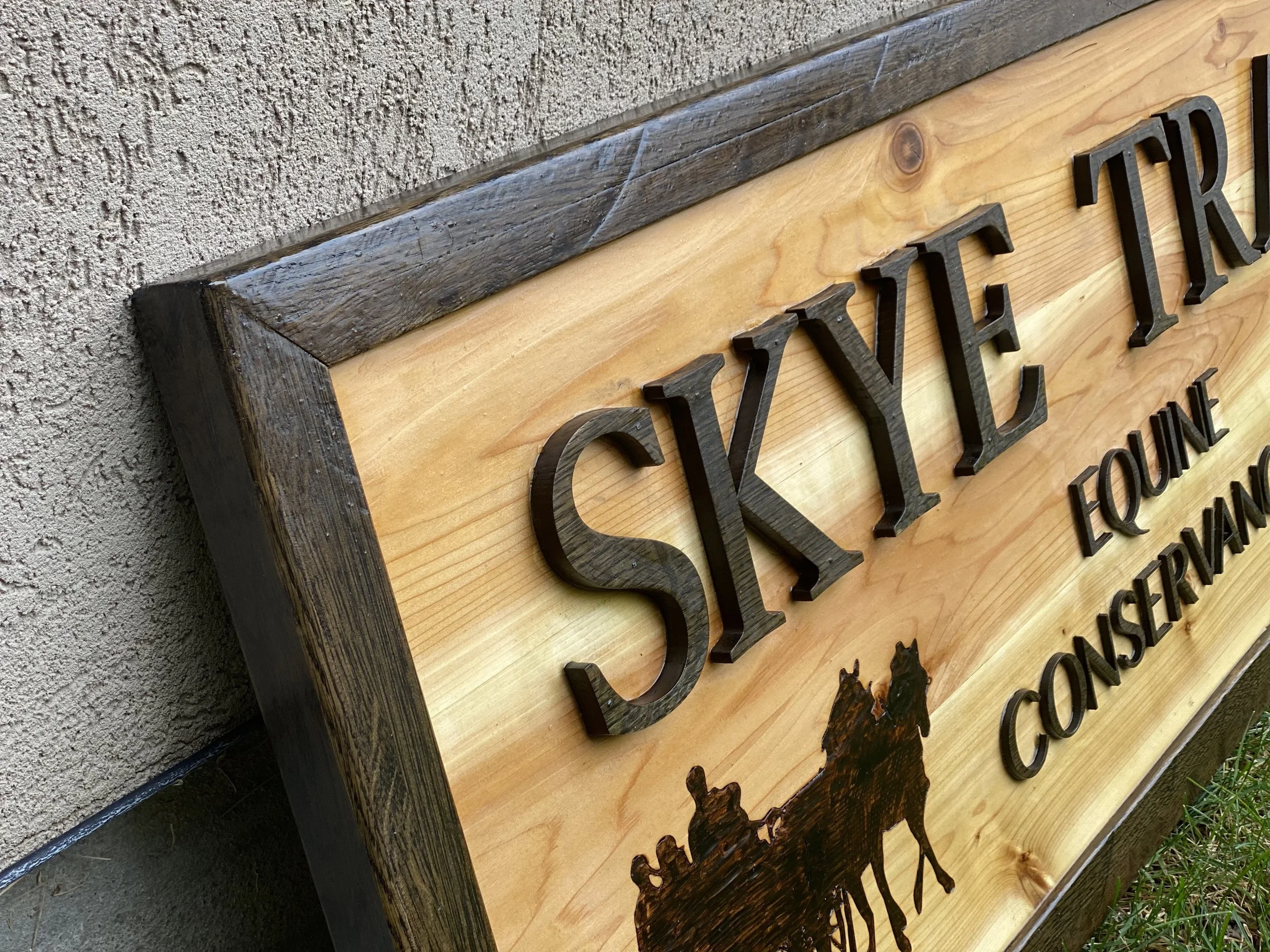
A quality Cedar, White Oak, or Mahogany sign with a marine‑grade finish will usually cost more up front than a basic aluminum or PVC panel, especially if it’s carved or 3D. But with modest care—cleaning and re‑coating every few years—that sign can serve for decades, and often be refinished instead of replaced.
If your budget is extremely tight and you need functional signage more than brand‑defining presence, a lower‑cost printed aluminum or PVC option might be more sensible, even if it looks less premium. If the sign is a central part of your curb appeal, the extra investment in wood usually pays back in perceived quality and customer impressions.
Check out this article to get a better idea of how much a custom wood sign may cost.
Why Wood Signs Look More Premium
Humans are wired to notice natural materials: wood grain, subtle color variation, and the play of light on carved surfaces all register as “real” and “crafted.” That’s why customers often describe wood signage as welcoming, upscale, or artisanal, even if they can’t explain why.
Metal and plastic can absolutely look sharp and professional, but they rarely invite the same tactile curiosity or sense of place that a well‑designed wood sign does. For restaurants, wineries, boutiques, and destination properties, that emotional connection is part of the value.
When Wood Is the Best Choice for Businesses
Wood shines in scenarios like:
Hospitality (lodges, inns, vacation rentals) where you want warmth and a strong sense of character at the entrance.
Retail and restaurants aiming for “craft,” “local,” “heritage,” or “boutique” branding.
Residential properties, farms, and ranches where the sign is part of the landscape, not just a label.
If your brand is more about cutting‑edge tech, sterile cleanliness, or industrial robustness, aluminum, acrylic, or composites may send the clearer message.
How to Choose a Maker for a Durable Outdoor Wood Sign
Finding the right sign maker is just as important as choosing the right wood and finish.
Look for Moisture‑Stable Woods
Ask which species they recommend for your climate and why. For true outdoor use, Cedar, White Oak, and Mahogany are all strong contenders because of their natural resistance and stability. Be cautious of makers who default to interior woods like non‑exterior‑rated Maple or open‑pored Red Oak for full‑exposure installs, as these require more aggressive protection and are less forgiving outdoors.
Ask About Their Finishing Process
A professional outdoor sign shop should be comfortable discussing:
Number of finish coats and dry times.
Whether they seal all sides, edges, and end grain.
What specific products they use (for example, marine spar varnish, spar urethane, epoxy systems).
Look for a process that includes sealing every face and edge, using exterior‑rated products with UV absorbers, and planning for future maintenance rather than treating the sign as disposable.
Consider checking out Blade & Burnish Custom Wood Signs as a place to start for high end custom signage.
Conclusion: Why Handcrafted Signs Outlast Mass‑Produced Ones
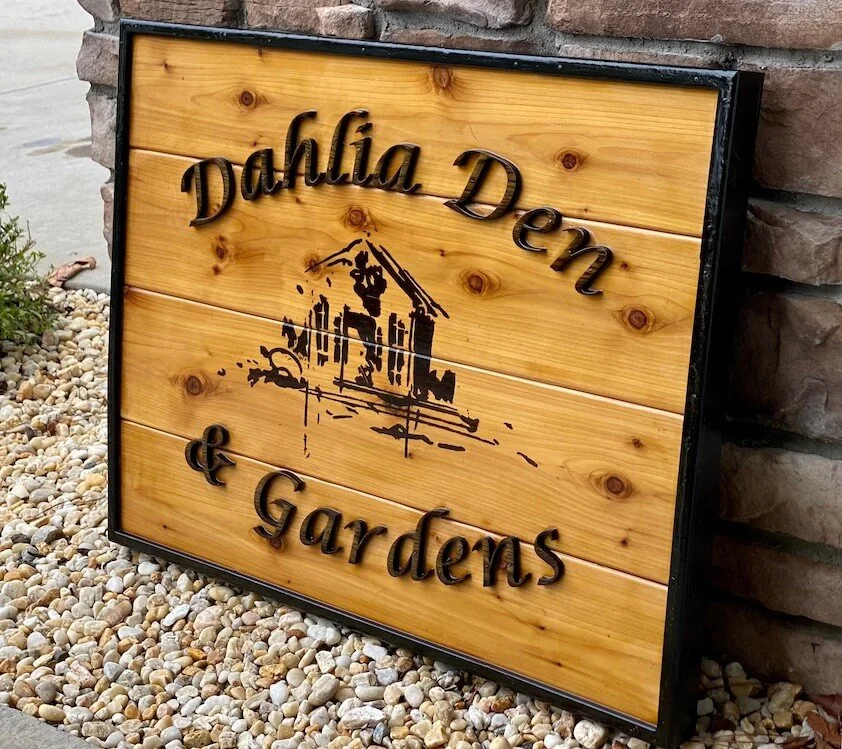
Handcrafted doesn’t just mean “folksy”—it often means better joinery, more careful grain selection, and more thorough finishing. Mass‑produced wooden signs sometimes skip steps like sealing the back or end grain, using stainless fasteners, or allowing proper curing between coats, all of which shorten lifespan outdoors.
A good maker sees the sign as a long‑term outdoor object, not just a decorative panel, and builds accordingly: stable glue‑ups, weather‑smart mounting hardware, appropriate species, and a finish that can be maintained over time.
In practical terms, if you choose the proper outdoor species, pair it with a serious exterior finish, mount it thoughtfully, and commit to simple cleaning and periodic re‑coating, a wood sign is a very strong outdoor choice. For many homes and businesses, that combination of durability, warmth, and visual impact is exactly what makes wood worth it.
Further Readings:
Top 10 Woods for Custom Wood Signs: Grain, Durability, and Style
How Much Does a Custom Wood Sign Cost? (And What Factors Influence Pricing)
Small Business, Big Impact: How Custom Wood Signs Boost Customer Engagement